Writing
Kaylie J. Stuart writes essays that braid personal narrative with structural analysis, tracing how systems of power shape everyday life. Her work explores the pressures of social, economic, and institutional structures placed on bodies, materials, and landscapes. Moving between lived experience, cultural observation, and critical reflection, her essays examine how power becomes embedded in the surfaces of ordinary life — from domestic spaces and health systems to environments, objects, and stories.
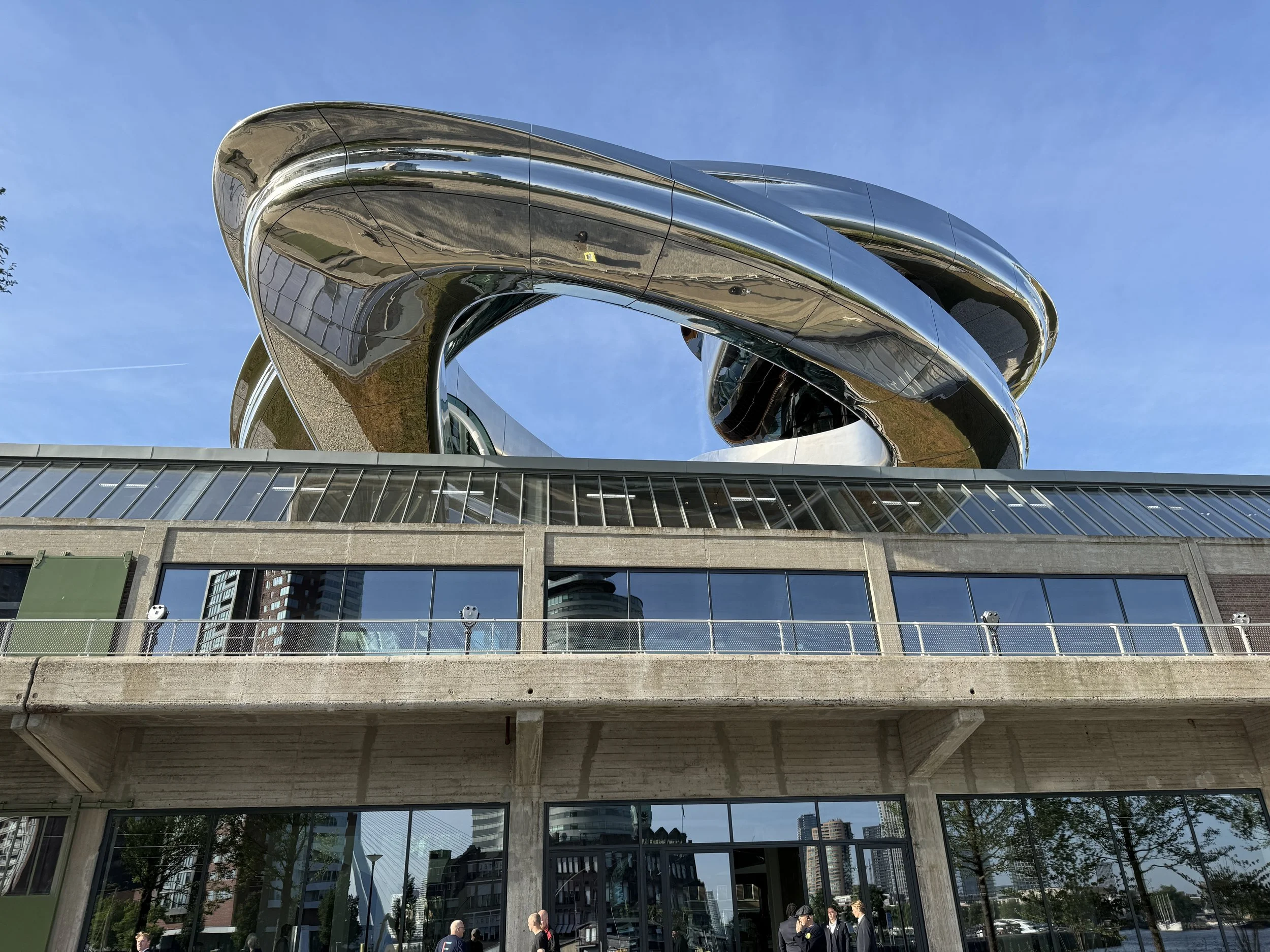
Fenix Rising:
What happens when museums are managed by billionaires? When art, architecture, and stories of migration are brought together as a financial portfolio under one roof? Who profits from this cultural kind of shine?
At FENIX Museum, the yellow brick road to art is paved with spectacle, and strategic philanthropy. This doesn’t feel like charity—it’s cultural investment with tax breaks. The foundation’s donations act as smokescreens for influence, not democratic generosity. The dazzle distracts while the real power stays hidden behind the curtain.
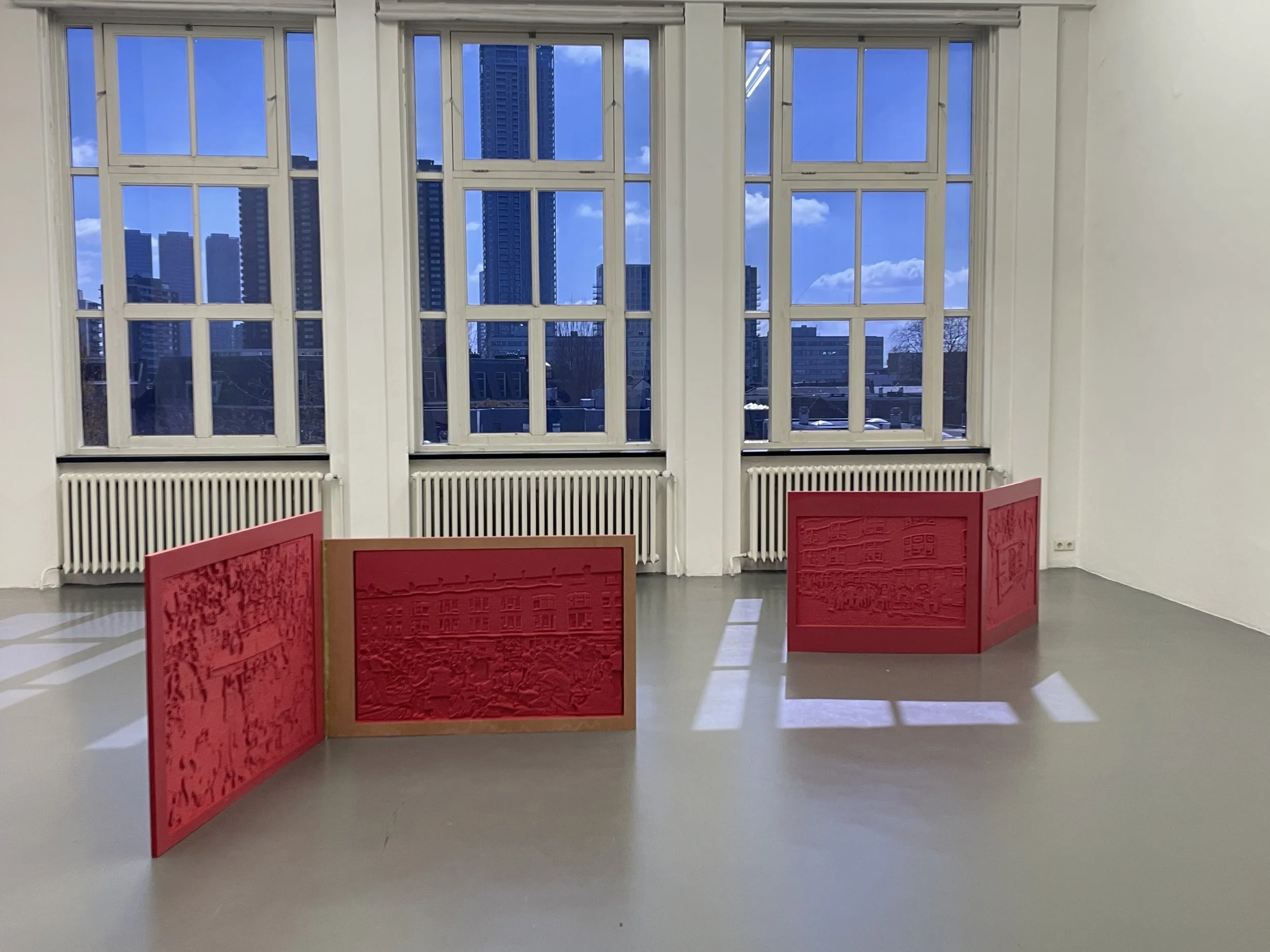
To Walk Otherwise
Naming, power, and the city in the age of digital drift.
Whatever our personal baggage, we all carry a unique constellation of lived coordinates: (dis)ability, gender, race, age, religion, class. These are not isolated traits but intersecting influences, shaped by systems of power. We bump up against other species, share time and resources whilst dwelling together. It’s therefore almost impossible to move without the subjective weight of the world on one’s shoulders. Walking is never neutral; it’s political, embodied and deeply relational.
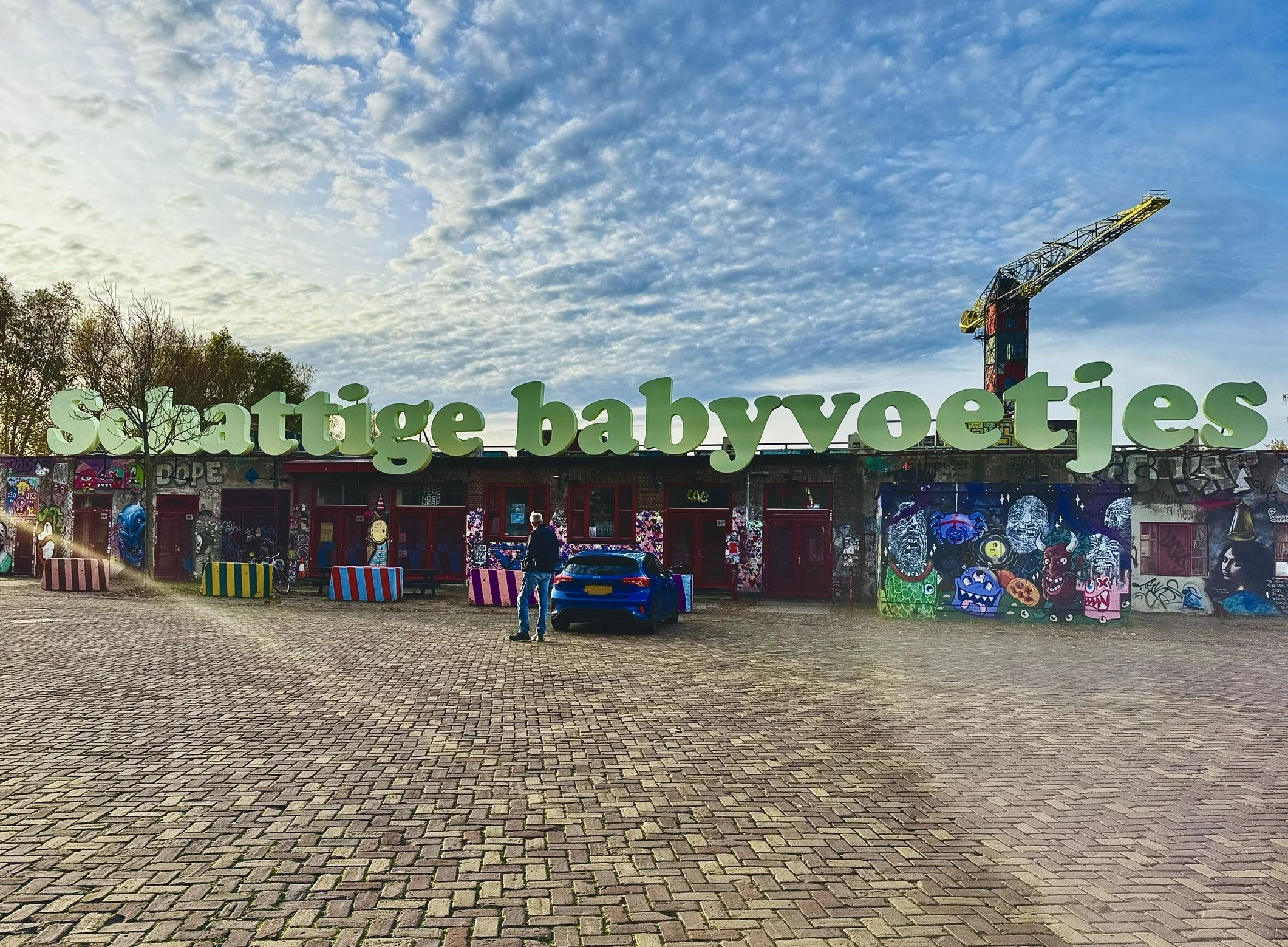
Should I Stay or Should I Go?
NDSM International Conference: Don’t Worry, It’s (Only) Temporary.
If there is urgency to reimagine space, why do we keep inviting the same structure to shape it? For a decade, recognisable disciplines and vocabularies have danced around the same conference handbag—as if repetition itself were proof of innovation. Maybe we should learn from the practices that already understand this—performance, dance, social practice, urban intervention —work in rhythms of impermanence.